
The customer service landscape is undergoing a revolutionary transformation, and at the forefront of this change are AI Smart Kiosks. These intelligent, interactive systems are redefining how businesses engage with their customers, offering 24/7 assistance, personalized experiences, and seamless integration into existing operations. As we navigate through 2025, it’s becoming increasingly clear that AI Smart Kiosks aren’t just a futuristic concept—they’re the present reality of customer service excellence.
The Evolution of Customer Interaction
Traditional customer service has long been constrained by human limitations: limited operating hours, inconsistent service quality, and staffing challenges. AI Smart Kiosks have emerged as the perfect solution to these age-old problems, combining the efficiency of automation with the warmth of human-like interaction.
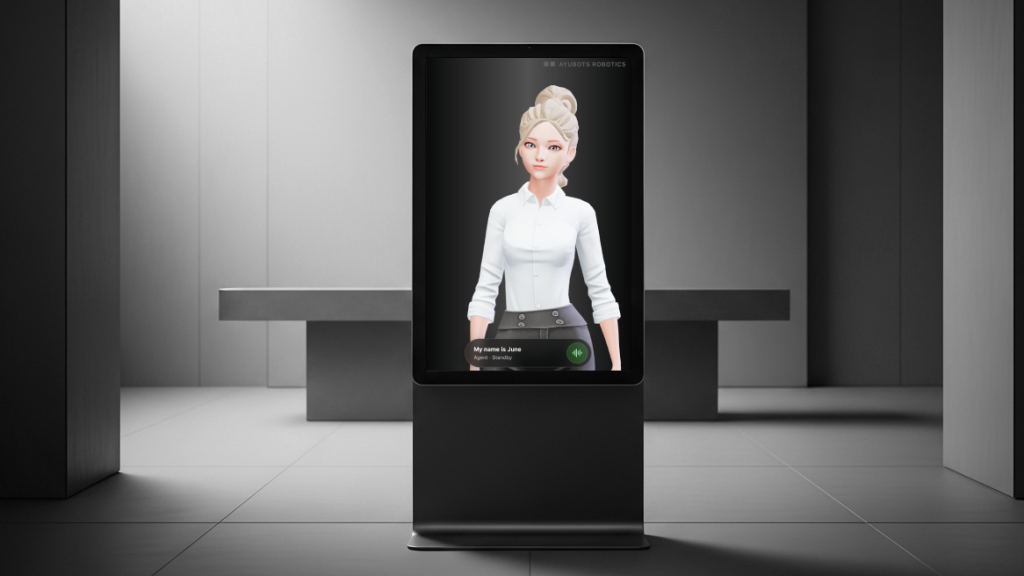
Unlike the rigid, menu-driven kiosks of the past, today’s AI Smart Kiosks feature lifelike digital agents that can engage in natural conversations, understand context, and respond with remarkable sophistication. These systems represent a quantum leap from simple touchscreen interfaces to truly intelligent customer service platforms that can adapt, learn, and evolve.
The Technology Behind the Magic
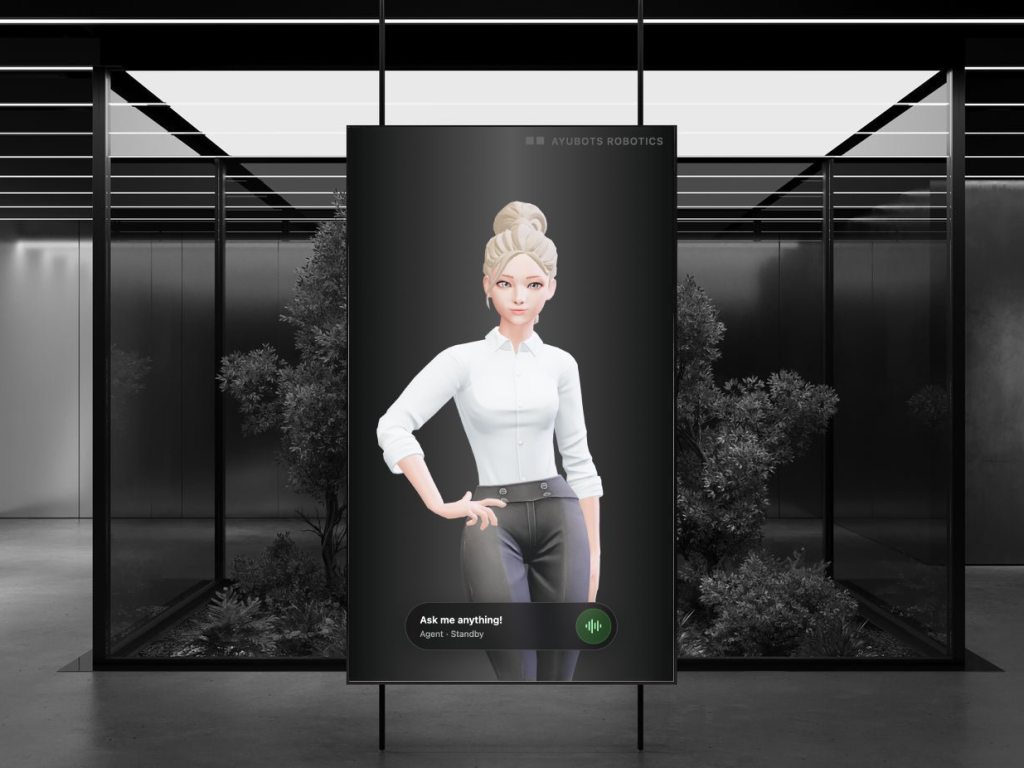
Modern AI Smart Kiosks leverage cutting-edge technologies to deliver experiences that feel surprisingly human. At their core, these systems combine advanced natural language processing, real-time voice interaction, and expressive 3D animated agents. The result is an interaction that flows as naturally as speaking with your best employee.
The magic lies in the perfect balance of realism and functionality. These AI agents are designed to be lifelike enough to create genuine connections with customers while maintaining the reliability and consistency that only automated systems can provide. They feature expressive facial animations, clear speech patterns, and the ability to understand and respond to complex customer inquiries in real-time.
What sets contemporary AI Smart Kiosks apart is their ability to learn and adapt. Unlike static systems, these platforms continuously improve through machine learning algorithms, building expertise through every customer interaction. They can train themselves by asking questions about your business, products, and processes, essentially becoming more knowledgeable employees over time.
Transforming Industries Across the Board
Retail Revolution
In retail environments, AI Smart Kiosks are acting as digital store greeters and sales assistants that never take a break. These systems can handle product recommendations, answer detailed questions about inventory, and guide customers through complex purchasing decisions. They’re particularly valuable in high-traffic retail locations where human staff might be overwhelmed or unavailable.
The impact extends beyond simple customer service. AI Smart Kiosks in retail can analyze customer preferences, suggest complementary products, and even handle returns or exchanges. They’re creating a more personalized shopping experience while simultaneously reducing operational costs.
Healthcare Transformation
Healthcare facilities are experiencing remarkable improvements in patient experience through AI Smart Kiosks. These systems can handle appointment scheduling, provide wayfinding assistance in complex medical facilities, and answer routine questions about services and procedures. For healthcare providers struggling with administrative overhead, these kiosks represent a significant operational improvement.
The 24/7 availability of AI Smart Kiosks is particularly valuable in healthcare settings, where patients often need assistance outside regular business hours. These systems can provide basic information, schedule appointments, and even conduct initial symptom assessments, freeing up medical staff for more critical tasks.
Corporate Excellence
In corporate environments, AI Smart Kiosks serve as sophisticated digital receptionists that can handle visitor check-ins, provide building navigation, and answer frequently asked questions about company services. They create a professional first impression while ensuring that no visitor goes unattended, regardless of the time of day.
These systems excel at managing the routine tasks that typically consume significant administrative resources. They can provide company information, schedule meetings, and even conduct basic security protocols, all while maintaining the welcoming presence that’s crucial for business relationships.
The Economics of AI Customer Service
One of the most compelling aspects of AI Smart Kiosks is their economic impact. With pricing starting at approximately $60 per agent per month, businesses can maintain 24/7 customer service coverage for what amounts to roughly 10 cents per hour. This represents an extraordinary value proposition when compared to traditional staffing costs.
The financial benefits extend beyond simple cost savings. AI Smart Kiosks eliminate the need for overtime pay, sick leave, vacation coverage, and the various overhead costs associated with human employees. They provide consistent service quality regardless of external factors and can handle multiple customers simultaneously during peak periods.
For small to medium-sized businesses that previously couldn’t justify the cost of full-time reception or customer service staff, AI Smart Kiosks offer access to professional-grade customer service capabilities at a fraction of traditional costs.
Implementation and Integration
Modern AI Smart Kiosks are designed with simplicity in mind. The implementation process typically involves three straightforward steps: creating the agent, training it on your business specifics, and deploying it on your chosen device. This plug-and-play approach means that businesses can have sophisticated customer service capabilities running within days, not months.
The versatility of these systems is remarkable. They can operate on tablets for personal interactions, digital kiosks for high-traffic areas, or even custom hardware installations for unique brand experiences. The only requirement is a modern browser and stable internet connection, making them accessible to businesses of all sizes and technical capabilities.
Training these AI agents is intuitive and conversational. Rather than requiring complex programming or extensive technical knowledge, business owners can simply talk to their AI agents about their business, products, and procedures. The system learns through this natural conversation, asking clarifying questions and building its knowledge base organically.

Real-World Impact and Results
Businesses implementing AI Smart Kiosks are reporting significant improvements in customer satisfaction and operational efficiency. The consistency of service delivery means that every customer receives the same high level of attention, regardless of when they visit or how busy the business might be.
The scalability factor is particularly impressive. Businesses can deploy one agent or hundreds, with each agent specializing in specific roles or customer needs. This flexibility allows organizations to customize their customer service approach based on their unique requirements and growth patterns.
Customer feedback has been overwhelmingly positive, with many users appreciating the immediate availability and consistent helpfulness of AI agents. The natural conversation flow and human-like responses create a comfortable interaction environment that encourages customer engagement.
Looking Ahead: The Future of Customer Service
As we progress through 2025, AI Smart Kiosks are establishing themselves as an essential component of modern customer service strategies. They represent the convergence of artificial intelligence, human-centered design, and practical business solutions.
The technology continues to evolve, with new capabilities and applications being developed regularly. Future enhancements may include even more sophisticated emotional intelligence, multilingual capabilities, and integration with emerging technologies like augmented reality.
For businesses considering their customer service strategy, the question isn’t whether AI Smart Kiosks will become mainstream—it’s whether they can afford to wait while their competitors gain the advantages these systems provide.
Making the Transition
The transition to AI Smart Kiosks doesn’t require replacing human staff entirely. Instead, these systems work best as collaborative tools that handle routine inquiries and initial customer interactions, freeing human employees to focus on complex problem-solving and relationship building.
The key to successful implementation lies in understanding that AI Smart Kiosks are not just cost-cutting tools—they’re capability enhancers that can elevate the entire customer experience. When deployed thoughtfully, they create a seamless blend of automated efficiency and human warmth that defines exceptional customer service in the digital age.
Conclusion
AI Smart Kiosks are fundamentally changing how businesses approach customer service in 2025. They offer the perfect combination of advanced technology, economic efficiency, and customer satisfaction that modern businesses need to thrive in an increasingly competitive marketplace.
As these systems continue to evolve and improve, businesses that adopt them early will establish significant competitive advantages in customer service delivery, operational efficiency, and cost management. The future of customer service is here, and it’s powered by AI Smart Kiosks that make every customer interaction count.
The transformation is already underway, and the businesses leading the charge are discovering that AI Smart Kiosks aren’t just changing customer service—they’re revolutionizing it entirely. For organizations ready to embrace this technology, the benefits are immediate, measurable, and game-changing.